

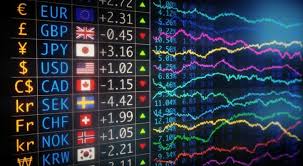
Forex trading, or foreign exchange trading, is one of the most dynamic and enticing forms of trading available today. Traders across the globe engage in this market, exchanging currencies to profit from fluctuations in exchange rates. With a daily trading volume exceeding $6 trillion, the Forex market is the largest and most liquid financial market worldwide. As the digital landscape evolves, platforms like forex trading acev.io provide innovative tools for traders to access real-time data and make informed decisions.
One of the fundamental aspects of successful Forex trading is understanding market dynamics. The currency exchange rates are influenced by a plethora of factors, including economic indicators, geopolitical events, interest rates, and market sentiment. Traders must stay updated on global news and economic reports, as events such as rate changes by central banks or political elections can cause significant movements in currency pairs.
Understanding Currency Pairs
In Forex trading, currencies are always traded in pairs. A currency pair indicates the value of one currency in relation to another. For example, in the EUR/USD pair, Euro is the base currency, and USD is the quote currency. If the pair is trading at 1.20, it means 1 Euro can be exchanged for 1.20 US Dollars. Understanding how these pairs work is crucial for traders, as it determines their trading strategy, risk management, and profit potential.
Types of Forex Market Participants
Forex market participants range from individual retail traders to multinational corporations, central banks, and institutional investors. Each participant has different motivations for engaging in the Forex market:
- Retail Traders: These are individual traders who buy and sell currencies through brokerages. Retail trading has become more accessible due to online platforms.
- Institutional Traders: These include banks and financial institutions that trade in large volumes for profit or to hedge against other investments.
- Corporations: Businesses engaged in international trade often participate in Forex to manage currency risk, ensuring they can pay for goods and services in foreign currencies.
- Central Banks: Central banks may intervene in the Forex market to stabilize their currency or influence economic conditions.
Key Trading Strategies
Successful Forex trading often hinges on the adoption of well-defined trading strategies. Here are three widely-used approaches:
1. Day Trading
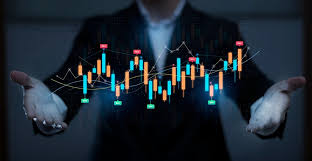
Day trading involves executing multiple trades within a single day, with the aim of taking advantage of small price movements. Traders often rely on technical analysis, looking at charts and using indicators to identify potential entry and exit points. Day trading requires quick decision-making and discipline, as positions are rarely held overnight.
2. Swing Trading
Unlike day traders, swing traders hold positions for several days or weeks to capitalize on expected price movements. This strategy takes advantage of market swings and can be less demanding on time compared to day trading. Swing traders often use both technical and fundamental analysis to help inform their decisions.
3. Position Trading
Position trading involves holding a currency pair for an extended period, ranging from weeks to months. Traders using this strategy typically base their trades on long-term trends and economic indicators rather than short-term market fluctuations. This approach requires patience and a strong understanding of market fundamentals.
Risk Management Techniques
Risk management is crucial for every Forex trader, as it helps protect capital and ensure sustainability in trading. Here are some key risk management techniques:
- Setting Stop-Loss Orders: A stop-loss order automatically closes a trade when the price reaches a certain level. This ensures that losses are limited and helps mitigate emotional decision-making.
- Risk-to-Reward Ratio: Traders should aim for a favorable risk-to-reward ratio, meaning they stand to gain significantly more on an investment than they stand to lose.
- Proper Position Sizing: Determining how much of your capital to risk on a single trade is crucial for long-term success. Traders typically risk no more than 1-2% of their capital on any trade.
The Psychological Aspect of Trading
Trading psychology plays a significant role in the success of Forex traders. Emotional responses to market changes can lead to impulsive decisions and poor risk management. Here are some psychological barriers that traders must overcome:
- Fear and Greed: Fear of losing money can lead to missed opportunities, while greed can result in overleveraging and taking unnecessary risks.
- Market Sentiment: Traders need to stay objective and avoid making decisions based on emotions or prevailing market sentiment.
- Discipline: Successful traders stick to their strategies and do not waver based on short-term market movements.
Utilizing Technology and Tools in Forex Trading
As the Forex market continues to evolve, technological advancements have transformed how traders operate. Utilizing the right tools can significantly enhance trading performance:
- Trading Platforms: Many online platforms, including acev.io, offer advanced features such as real-time charts, news feeds, and automated trading options.
- Technical Analysis Tools: Using indicators and tools like Fibonacci retracements, moving averages, and RSI can provide valuable insights into market trends.
- Economic Calendars: Keeping track of economic events and their potential impact on currency markets is essential for informed trading.
Continuous Learning and Adaptation
The Forex market is constantly changing, and successful traders must remain adaptable. Ongoing education through courses, webinars, and forums can help traders keep abreast of new strategies and market developments. Engaging with the trading community can also provide valuable insights and support.
Conclusion
Forex trading offers exciting opportunities for investors willing to put in the time to understand the markets and hone their skills. By mastering market dynamics, developing effective strategies, managing risks, and maintaining a disciplined mindset, traders can unlock their potential for success. In this fast-paced environment, leveraging technology and continuously learning will set the foundation for sustainable trading practices in the ever-evolving world of Forex.